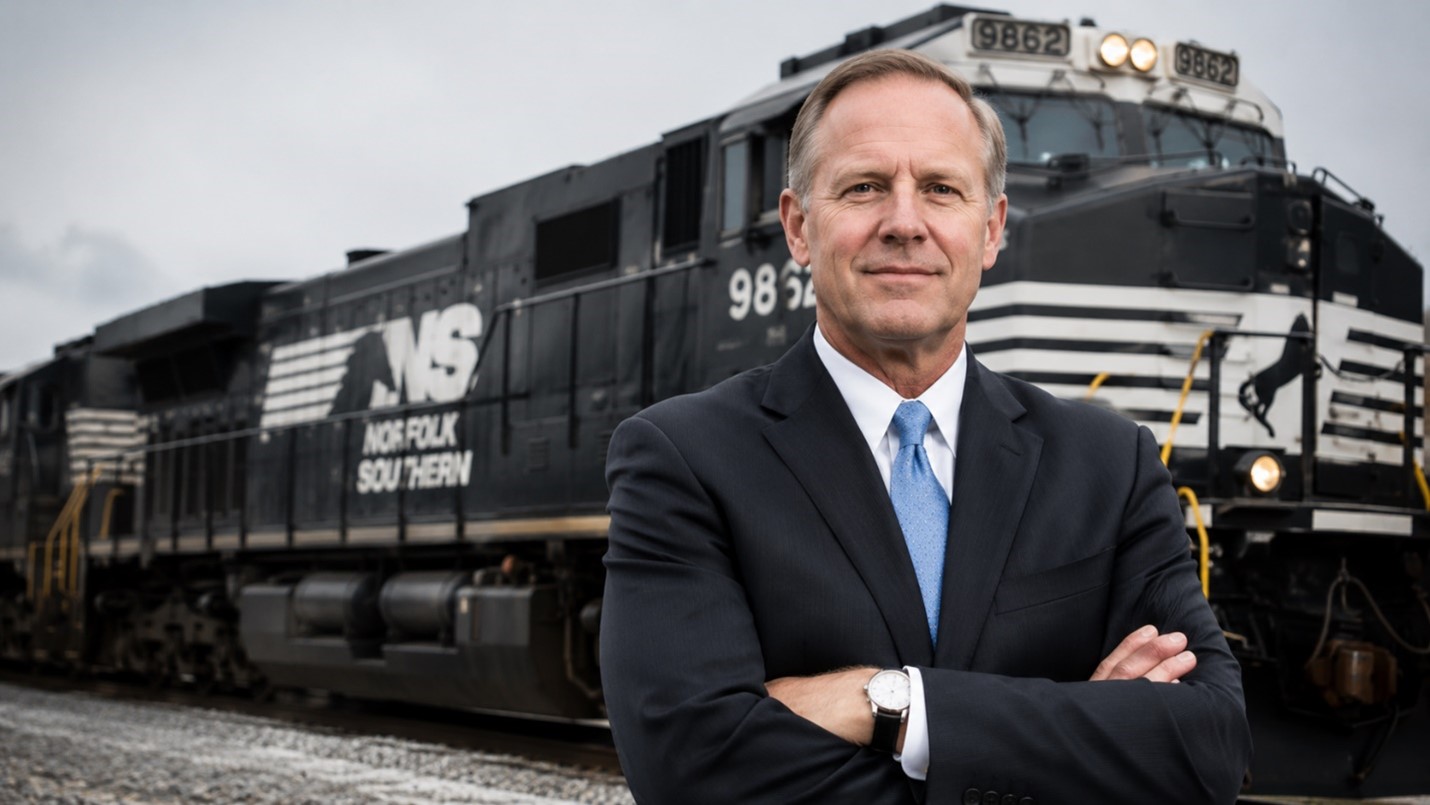
Claude Edward Elkins Jr is widely recognized for his long career in the American railroad industry and his leadership role at Norfolk Southern. Over the years, many professionals in transportation and logistics have become interested in his journey because it reflects a practical example of steady career growth, operational knowledge, and executive leadership. Unlike many corporate leaders who enter management directly from business schools or financial backgrounds, Elkins built his career from the ground level of railroad operations.
The growing online interest in Claude Edward Elkins Jr also reflects the increasing public attention on supply chains, freight transportation, and logistics management. Railroads continue to play a major role in the economy, especially in moving industrial products, chemicals, and consumer goods across the United States. Because of this, experienced executives with real operational understanding have gained more attention in recent years.
His story is often viewed as an example of persistence and long-term professional development. From working in railroad operations to eventually holding senior leadership positions, Claude Edward Elkins Jr became known for combining business strategy with hands-on industry experience. This balanced approach helped him build credibility inside the transportation industry while also contributing to Norfolk Southern’s commercial and operational growth.
Early Life And Personal Background
Claude Edward Elkins Jr grew up in a working-class environment where discipline, responsibility, and consistency were important values. Many people who followed his career believe that these early experiences influenced the way he approached leadership later in life. Rather than focusing only on executive-level decision-making, he became known for understanding the daily realities faced by workers throughout railroad operations.
His background helped shape a practical leadership style that connected business goals with operational realities. In industries like rail transportation, leaders who understand the challenges of field operations often earn stronger respect from employees and customers alike. This connection between management and operations became one of the defining characteristics associated with his professional reputation.
People searching for information about Claude Edward Elkins Jr are often interested not only in his executive career but also in how his early experiences contributed to his long-term success. His career path demonstrates how industry knowledge developed over time can become a valuable advantage in leadership positions.
Education And Military Experience
Education played an important role in helping Claude Edward Elkins Jr expand his understanding of business operations and management strategy. He attended the University of Virginia’s College at Wise and later continued his studies in business administration. His academic development provided a strong foundation for leadership roles in a highly competitive industry.
Alongside his educational background, military experience also influenced his professional mindset. His service in the United States Marine Corps is frequently mentioned as an important factor in shaping his discipline, communication skills, and decision-making ability. Military environments often teach individuals how to remain focused under pressure, work within structured systems, and lead teams during difficult situations.
These qualities later became valuable within the railroad sector, where operational safety, timing, and coordination are essential. The transportation industry depends heavily on teamwork and organization, and leaders with military experience sometimes adapt well to these demanding environments. In the case of Claude Edward Elkins Jr, this combination of education and discipline helped support his rise through multiple leadership positions.
Beginning A Career In The Railroad Industry
One of the most interesting aspects of Claude Edward Elkins Jr’s career is the way he entered the railroad industry. He reportedly began working as a brakeman in the late 1980s, which gave him direct exposure to railroad operations from the beginning. This type of hands-on experience is often very different from entering the industry through office-based corporate positions.
Working in railroad operations requires an understanding of freight movement, safety procedures, scheduling systems, and communication between crews. Employees in these roles learn how rail systems function on a practical level. This early operational experience later became one of the strongest advantages in his executive career because it allowed him to understand the business from multiple perspectives.
Many transportation companies value leaders who have practical field knowledge because those individuals can often make decisions with a clearer understanding of operational consequences. In the railroad sector, where efficiency and safety are closely connected, experience at the operational level can significantly improve leadership effectiveness.
His early years in the industry also helped him build relationships and credibility within the railroad workforce. Employees are often more willing to trust leaders who understand the realities of daily operations instead of relying only on theoretical management ideas.
Career Growth At Norfolk Southern
Claude Edward Elkins Jr spent many years building his career at Norfolk Southern, one of the major freight railroad companies in the United States. Throughout his professional journey, he held several positions connected to marketing, transportation strategy, industrial products, and commercial operations.
As he moved into management roles, his responsibilities expanded beyond field operations into areas involving logistics planning and customer relationships. Freight railroads depend heavily on long-term commercial partnerships with manufacturers, chemical companies, agricultural businesses, and industrial suppliers. Leaders in commercial railroad divisions must understand both transportation systems and customer expectations.
His advancement within Norfolk Southern reflected the company’s confidence in his operational understanding and business leadership abilities. Over time, he became involved in larger strategic decisions related to freight services, logistics coordination, and commercial growth opportunities.
Eventually, Claude Edward Elkins Jr reached senior executive leadership positions, including responsibilities connected to commercial operations. These roles involved helping guide the company’s freight strategy while maintaining strong relationships with major customers. His leadership became associated with balancing operational performance and customer-focused business planning.
Leadership Style And Professional Reputation
Many professionals within the transportation sector describe Claude Edward Elkins Jr as a leader who valued communication, operational accountability, and long-term thinking. In industries like rail transportation, leadership often requires balancing efficiency goals with employee safety, customer expectations, and infrastructure management.
One reason his leadership style gained attention is because he appeared to combine practical experience with strategic planning. Leaders who understand day-to-day operations can sometimes identify challenges earlier and make decisions that are more realistic for employees and customers alike.
His professional reputation was also connected to consistency and reliability. Rail transportation companies operate within highly competitive environments where delays, safety concerns, and market changes can affect business performance quickly. Executives in these industries must make decisions that support both operational stability and long-term commercial success.
Another important part of his leadership approach involved adapting to changes within transportation and logistics. As supply chains became more dependent on technology and real-time tracking systems, railroad companies needed leaders who could support modernization without losing operational efficiency. Claude Edward Elkins Jr became associated with this balanced approach to modernization and operational management.
Contributions To Railroad Modernization
The railroad industry has changed significantly over the last two decades. Technology, digital logistics systems, environmental concerns, and supply chain efficiency have all become more important in transportation planning. During this period, leaders within major railroad companies faced increasing pressure to improve service reliability while controlling operational costs.
Claude Edward Elkins Jr worked during a time when freight transportation companies were focusing heavily on modernization strategies. These changes included improving logistics coordination, increasing intermodal transportation efficiency, and strengthening customer communication systems.
Intermodal transportation became especially important because businesses increasingly relied on integrated shipping networks involving railroads, trucks, ports, and distribution centers. Freight rail companies needed executives who understood both traditional rail operations and modern supply chain demands.
His leadership experience helped support Norfolk Southern’s ability to remain competitive in changing transportation markets. Companies that adapt successfully to modern logistics systems are often better positioned to maintain customer relationships and improve operational performance.
The transportation sector also faces growing environmental discussions because rail shipping is generally considered more fuel-efficient than long-distance trucking for certain types of freight movement. Railroad modernization efforts therefore became connected not only to business efficiency but also to sustainability goals.
Challenges Throughout His Career
Like many executives in large transportation industries, Claude Edward Elkins Jr worked during periods of economic uncertainty and operational pressure. Freight demand can change quickly depending on manufacturing trends, fuel prices, consumer spending, and broader economic conditions.
Railroad companies also compete with trucking companies and other transportation providers. Maintaining reliable service while controlling costs remains one of the biggest challenges in the industry. Executives must balance customer expectations with operational limitations and infrastructure requirements.
Safety is another major responsibility in rail transportation. Railroad companies operate large networks involving trains, freight terminals, maintenance systems, and transportation crews. Leadership teams must consistently focus on safety standards while maintaining efficiency and productivity.
Modernization itself can also create challenges. While new technologies improve logistics and communication systems, companies must carefully manage transitions without disrupting existing operations. Experienced leaders are often needed to guide organizations through these complex periods of change.
Claude Edward Elkins Jr’s long career suggests an ability to navigate these industry pressures while continuing to advance professionally within a highly competitive business environment.
Industry Influence And Long Term Impact
Within the railroad and logistics sector, Claude Edward Elkins Jr became known as a respected industry professional with extensive operational and commercial experience. His career represented a combination of field knowledge, leadership development, and strategic planning.
Many professionals view his journey as an example of how transportation leaders can build successful careers through long-term commitment and operational understanding. In industries where practical experience matters greatly, leaders who rise through multiple levels of responsibility often develop stronger credibility across organizations.
His influence also reflects broader changes within the transportation industry itself. Railroads continue to remain important for freight movement across North America, and experienced leadership remains essential for managing these large operational systems.
As online interest in railroad executives and logistics professionals continues growing, people increasingly search for leaders who played important roles in transportation modernization and supply chain development. Claude Edward Elkins Jr remains part of these discussions because of his long-standing connection to Norfolk Southern and the railroad industry overall.
Lessons Professionals Can Learn From His Career
One of the biggest lessons from Claude Edward Elkins Jr’s professional journey is the value of practical experience. His career demonstrates that long-term industry knowledge can become a major advantage in leadership positions.
Another important lesson involves consistency and professional development. Rather than achieving rapid success through short-term trends, his career reflects gradual advancement through experience, education, and operational understanding. This type of career growth often creates stronger leadership foundations over time.
His story also highlights the importance of adaptability. The transportation industry changed significantly throughout his career, especially with advances in logistics technology and supply chain management. Leaders who remain open to change while understanding operational fundamentals are often better prepared for industry evolution.
Communication and teamwork are additional lessons connected to his leadership style. Large transportation systems depend on coordination between many departments and employees. Strong communication therefore becomes essential for maintaining efficiency and safety.
Conclusion
Claude Edward Elkins Jr built a respected career through dedication, operational knowledge, and long-term leadership within the railroad industry. His journey from frontline railroad work to executive leadership at Norfolk Southern reflects the importance of experience, discipline, and adaptability in complex industries.
As transportation and logistics continue evolving, professionals like Claude Edward Elkins Jr remain important examples of leadership grounded in practical understanding. His career demonstrates how industry knowledge developed over time can contribute to both operational success and strategic business growth.
The growing public interest in Claude Edward Elkins Jr also reflects wider attention on supply chains, freight transportation, and railroad modernization. For readers interested in transportation leadership, logistics management, or executive career development, his professional journey offers valuable insight into how experience and consistent growth can shape long-term success.
FAQ's:
Who Claude Edward Elkins Jr?
Claude Edward Elkins Jr is a railroad industry executive known for his leadership roles at Norfolk Southern and his long career in freight transportation and logistics.
What company Is Claude Edward Elkins Jr Associated With?
He is most closely associated with Norfolk Southern, where he held several senior leadership positions.
Why Is Claude Edward Elkins Jr Gaining Online Attention?
Many people search for Claude Edward Elkins Jr because of his executive career, leadership journey, and influence in the transportation and railroad industry.
What industry Does Claude Edward Elkins Jr work In?
Claude Edward Elkins Jr built his career in the railroad and freight transportation industry, focusing on logistics, commercial operations, and supply chain management.
What Can Professionals Learn From Claude Edward Elkins Jr’s career?
His career highlights the importance of operational experience, consistent growth, leadership discipline, and adaptability in a changing business environment.
Stay informed with the latest news, trending stories, insightful reports, and expert .Visit our website for fresh content that keeps you ahead every day.
Disclaimer:
This article is published for informational and educational purposes only. While we have made every effort to provide accurate and updated information about Claude Edward Elkins Jr, some details may change over time or vary across public sources. This content is not intended as official biographical, legal, financial, or professional advice. Readers are encouraged to verify important information through official and trusted sources when necessary.
You Might Also Like

Mica Harris Love Island 2026 Age Biography And Net Worth
Learn about Mica Harris Love Island 2026 age, biography, career, relationships, family background and estimated net worth in this guide.

Samraj Toor Love Island 2026 biography Age Net Worth 2026
Explore the Samraj Toor Love Island 2026 biography, covering early life, Love Island journey, career highlights, and net worth estimates in 2026 now

Ellie Chadwick Love Island 2026 Age And Net Worth 2026
2.Learn about Ellie Chadwick Love Island 2026 age, career, relationships and estimated net worth after her rise to fame on the ITV show and social media.