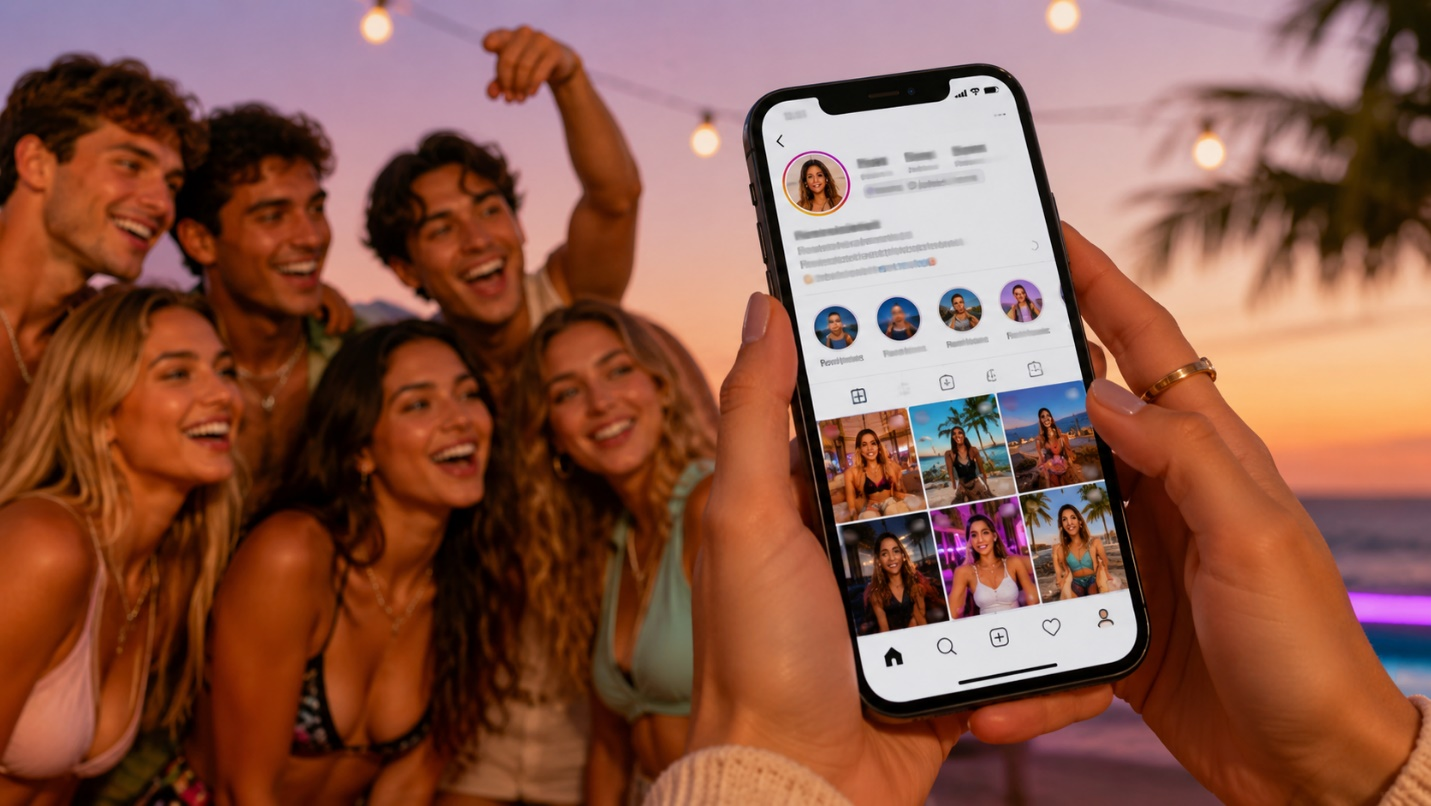
It's the question nobody asks out loud during the season because everyone's too busy arguing about recouplings but how Love Island stars make money after the show is actually far more interesting than who won.
Because here's the thing. The prize money is almost irrelevant. Fifty thousand dollars splits two ways and disappears into a rented flat and a few holidays inside a year. What actually changes people's financial trajectories isn't winning. It's what they do on day thirty of being back home, inbox full of emails they'd never have received four months earlier.
That's where the real story is.
Early Life And Background
Most of them had normal jobs. That's worth emphasising because the villa edit tends to flatten everyone into a character rather than a person.
Personal trainers. Dental receptionists. Bar managers. Marketing coordinators who were perfectly happy before Peacock came calling. Some were students. A few were small business owners who saw the exposure as a calculated gamble rather than an emotional decision.
The pre-show career matters more than most people realise. A fitness coach who enters with five hundred Instagram followers and exits with five hundred thousand can immediately monetise what they were already doing just at a completely different scale. The skills were already there. The audience is the new part.
And communication skills, developed quietly in ordinary workplaces, end up being surprisingly crucial. Interviews, live events, brand calls those aren't things you can wing without some baseline confidence. Most of them have that. They just didn't have the platform.
Career And Achievements
The show is genuinely transformative for careers in a way that few other things can replicate.
You go in anonymous. You come out recognised at airports. In between, you've been in front of one of the largest reality television audiences in America. That kind of exposure is impossible to purchase at any price you either earn it through the format or you don't get it at all.
What people do with it varies enormously. Some publish books, because apparently spending weeks discussing feelings in a villa qualifies you to write them down. Some host podcasts. Some present television programmes. A handful land on other reality shows, parlaying one appearance into a sustained broadcast career that keeps ticking along for years.
But the divergence is real. Two people can leave the same villa, in the same week, with roughly similar social media followings, and end up in completely different financial positions three years later. One builds something. One doesn't.
How Love Island Stars Make Money After The Show
Let's actually get into the mechanics, because how Love Island stars make money after the show isn't mysterious it's just multiple things running simultaneously.
Sponsored content comes first and fastest. The inbox starts filling within days of the finale. Brands want access to the audience that was just watching these people in prime time. Fashion, fitness, travel, beauty, supplements all of it lands, sometimes within the same week. Payment rates at this stage are often the highest they'll ever be, because the attention spike immediately post-show is the most intense it's going to get.
Television work runs alongside. Reunion specials. Panel programmes. Guest slots on chat shows. Some go back for All Stars editions. Each appearance keeps the name circulating in entertainment spaces that don't always overlap with social media.
Podcasts have become genuinely significant. Ad revenue, sponsored episodes, listener subscriptions a podcast that establishes itself with an engaged audience can run for years and generate consistent income that doesn't depend on viral moments.
Event hosting. Paid appearances. PA nights at clubs and venues. Less glamorous than it sounds, but the per-night fees add up quickly when you're doing them every weekend for eighteen months.
Social Media Influence And Brand Partnerships
This is the core engine for most of them, and it runs on something that isn't immediately obvious from the outside engagement matters more than follower count.
A contestant with two million mostly passive followers is less commercially attractive than one with four hundred thousand people who actually click on the links. Brands figured this out around 2019 and have been structuring partnership deals accordingly ever since. Rate cards, performance metrics, audience demographics it's become properly sophisticated.
Instagram remains the primary platform for most UK and US reality alumni. TikTok has become increasingly important, particularly for contestants who are fast and comfortable on camera. YouTube works for those willing to commit to longer content, which takes more effort but builds deeper audience loyalty.
Affiliate marketing underpins all of it quietly. Those discount codes and swipe-up links aren't glamorous but they generate passive income that arrives regardless of whether you post that day. Over time compounded across dozens of partnerships it becomes meaningful revenue.
Business Ventures And Entrepreneurial Success
The ones who break out of the influencer cycle into actual business ownership are the ones who end up genuinely wealthy.
Clothing ranges. Skincare collections. Fitness apps. Online coaching programmes. Nutrition plans. Jewellery. Most of these exist because someone looked at their audience and correctly identified what that audience would buy from them specifically.
It works when the product aligns with the person. A former villa contestant who was genuinely into fitness launching a workout programme makes sense people buy from her because they've seen her train. The same person launching a pasta sauce brand does not make sense and usually doesn't land.
The subscription model has quietly become one of the more interesting developments. Exclusive communities where followers pay a monthly fee for access to content, Q&As, personal advice. Lower individual amounts, but recurring revenue that compounds in a way that one off brand deals don't.
And property comes up more than you'd expect. Those who move early, before the fame fades and the income normalises, often end up with assets that continue appreciating regardless of what happens to their public profile.
Net Worth 2026
Hard to pin down with accuracy, and anyone presenting specific figures with confidence is mostly guessing.
What can be reasonably assessed is the range. On the lower end contestants who had a reasonable season but didn't build significant post
show momentum you're looking at modest income from occasional partnerships and maybe some ongoing business activity. It's a better position than they were in before, but it's not transformational.
In the middle, which is where most fall ongoing brand income, a business that's generating real revenue, occasional media work. A meaningful improvement in financial position that makes the villa experience look, retrospectively, like one of the better decisions they've made.
At the top end the ones who combined strong audience engagement with good business instincts and consistent output the numbers are genuinely significant. Multi platform income, owned businesses, property. These are the people who turned a summer on television into a decade-long career.
The gap between those categories is almost entirely explained by choices made after leaving, not by what happened in the villa.
Challenges Of Maintaining Success After Love Island
The attention doesn't last forever. That sounds obvious but apparently needs saying, because the post-show spike is intense enough that it feels permanent when you're inside it.
New seasons arrive every year. The audience moves its attention to the new cast. Brands that were desperate to work with you six months ago are now interested in the person who just got eliminated from this year's villa. The cycle is relentless.
The influencer market has also become genuinely saturated. There are more creators than there are meaningful brand budgets to support them, which means the bar for securing good partnerships has risen considerably. Being a Love Island alum isn't the automatic commercial credential it was in 2018.
And the mental health dimension is real which affects professional output directly. Managing public criticism, dealing with the collapse of relationships that formed under abnormal conditions, maintaining a public presence while also being a functional human being. Those aren't small things.
Future Opportunities For Love Island Stars
More platforms, more models, more options than existed for contestants from earlier seasons.
Streaming content actual produced shows, not just social media posts. Online education, where former contestants teach skills they've developed. Membership communities. Licensing deals. Speaking engagements from brands who want someone with genuine reach to front campaigns rather than just post about them.
Some move into broadcast professionally. Presenting, reporting, voiceover. The camera experience from the villa turns out to be transferable in ways that weren't obvious at the time.
Others go back behind the scenes. Developing brands, funding early stage companies, building the infrastructure for other people's careers as managers and consultants. The entertainment business experience becomes a form of credibility that opens different kinds of doors.
Technology keeps creating new entry points. What doesn't exist yet as a revenue model might be the most important one in three years. The contestants who stay curious and adaptable tend to find those opportunities before the rest.
Conclusion
How Love Island stars make money after the show is not one story. It's hundreds of different stories with wildly different outcomes, all starting from the same villa exit interview.
The show provides the audience. What happens to that audience whether it stays, grows, converts into something lasting depends almost entirely on what comes next. The business decisions, the content consistency, the willingness to treat fame as raw material rather than a destination.Most of the real money never appears in the programme itself. It accumulates quietly, in the years that follow, among the contestants who figured that part out.
FAQ's:
How Do Love Island Contestants Make Money After Leaving The Show?
Most contestants earn through brand partnerships, social media promotions, television appearances, business ventures, and public events. How Love Island Stars Make Money After the Show often depends on how well they build and maintain their personal brand.
Do All Love Island Stars Become Millionaires?
No, not every contestant achieves the same level of financial success. Earnings vary based on popularity, business decisions, audience engagement, and long term career planning.
What Is The Biggest Income Source For Former Love Island Contestants?
For many contestants, sponsored social media content and brand collaborations provide the largest share of their income. Others earn more through businesses, television work, or investments.
How Long Can Love Island Contestants Stay Successful After The Show?
Some remain successful for many years by expanding into different industries and creating multiple income streams. How Love Island Stars Make Money After the Show often changes over time as they move beyond reality television into business and media careers.
Are Love Island Stars' Net Worth Figures Accurate?
Most net worth figures are estimates based on publicly available information and industry analysis. Exact financial details are usually private, so the actual amounts may be higher or lower.
Stay informed with the latest news, trending stories, insightful reports, and expert .Visit our website for fresh content that keeps you ahead every day.
Disclaimer:
The information in this article is based on publicly available sources, industry knowledge, and general estimates. Net worth figures mentioned or discussed are estimates only and may change over time as financial situations evolve. While every effort has been made to provide accurate information, some details may not reflect private financial records. This article is intended for informational purposes only